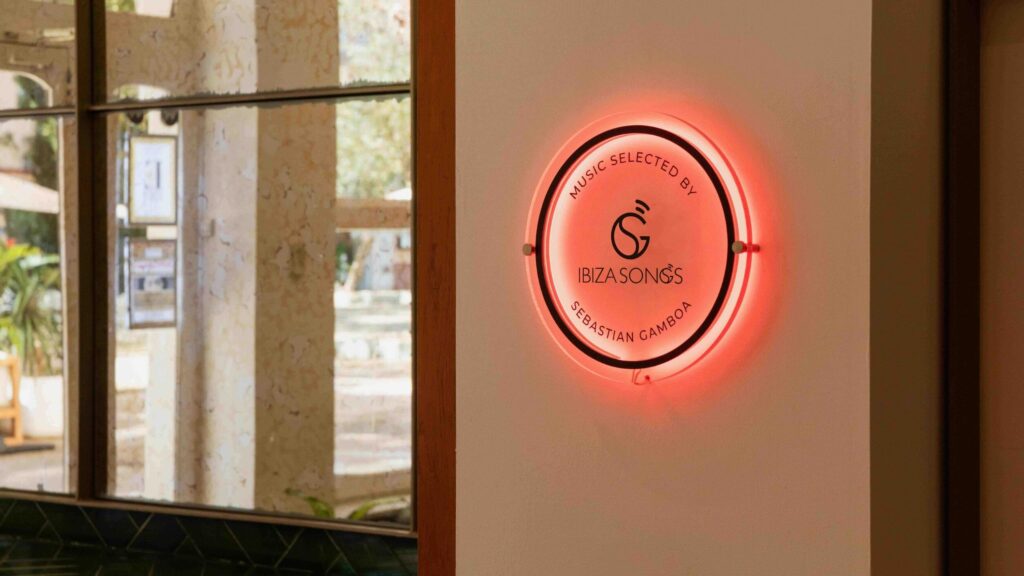
Music for Hotels: A guide to creating a guest experience that feels coherent in every space
When choosing a hotel, we stopped thinking only about where we are going to sleep a long time ago. Today, we look for complete experiences: places capable of conveying comfort, inspiration, or energy; spaces that accompany our mood or make us feel at home — all at the right time and in the right moment. In this new paradigm, music is no longer a basic element but a strategic resource, capable of directly influencing how a guest feels, remembers, and values a space.
The world’s leading brands already understand that music is a signature of character — an emotional language that accompanies guests at every moment of their stay, from the moment they arrive in the lobby to their last night in the room. Music can relax us during a massage, transport us to another country from a restaurant, or encourage us to stay for one more cocktail before heading back to our room. We no longer choose a place solely for what it is, but for how it makes us feel and the experience we live within it. cocktail más antes de volver a la habitación. Ya no consumimos un lugar únicamente por lo que es, sino por cómo nos hace sentir y por la experiencia vivimos en él.
In a hotel, everything communicates: the architecture, the lighting, and of course, the sensory elements. Large resources are often invested in furniture, décor, or lighting, while overlooking elements —like music— that can shape the experience even more deeply. A well-designed musical identity helps create an atmosphere that is coherent, immersive, and memorable, generating that feeling that is hard to describe yet easy to recognize when a hotel welcomes us and makes us feel at home.
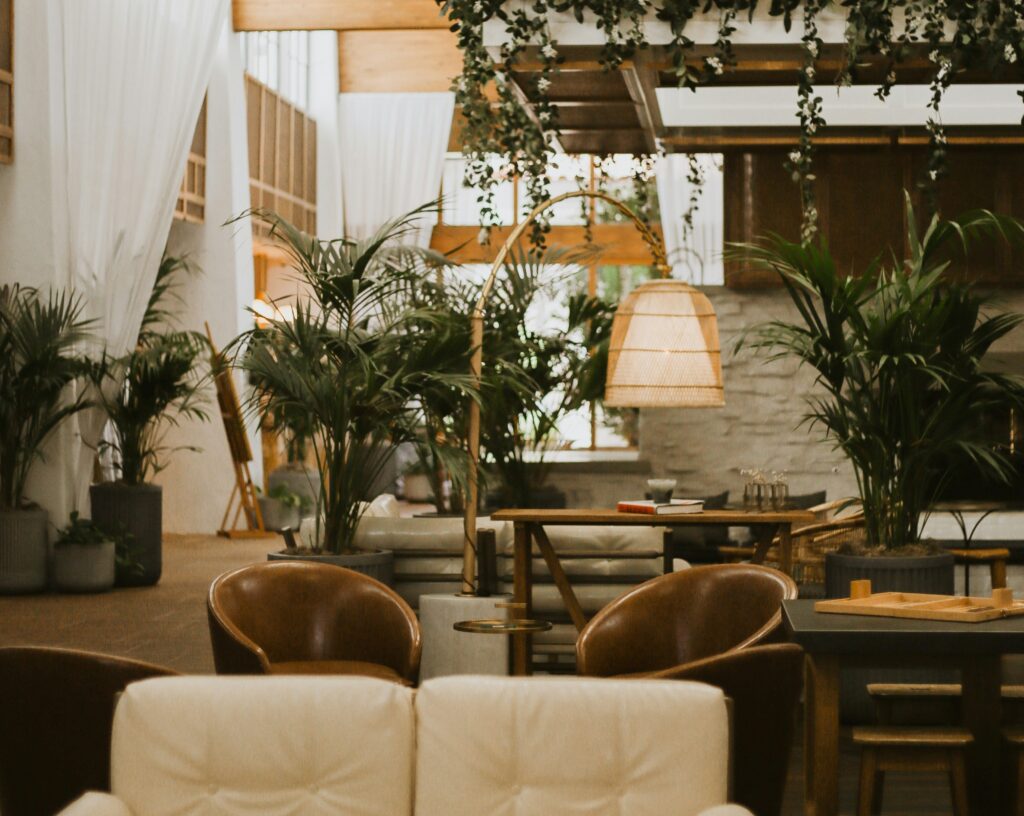
How each area of the hotel should sound
Each area of a hotel serves a different purpose, and therefore requires a different musical approach. Adapting the sound to each space and each moment of the day is essential to ensure the experience feels fluid, natural, and coherent. Here are a few highlights:
1. Lobby: the first sonic impression
The lobby is the hotel’s calling card. Here, the music should reflect the brand’s personality from the very first moment — whether that means elegant, sophisticated, vibrant, or relaxed. Some lobbies are more discreet, while others opt for bolder concepts, such as placing a DJ booth at the entrance — as seen at Unexpected. Whatever the approach, the sonic selection sets the tone for the entire stay. In this space, first impressions truly matter.
2. Restaurants: enhancing the dining experience
A gastronomic experience doesn’t depend solely on the cuisine. The rhythm, energy, and musical tone influence how flavors are perceived, as well as the comfort and length of the visit. A well-curated selection can turn a lunch or dinner into a special moment. It can be what determines whether a guest leaves quickly after dessert or chooses to extend the experience and continue enjoying the service.
Spa & Wellness: balance and disconnection
In these spaces, music becomes pure well-being. Its role is to support deep relaxation, create calm, and encourage a natural rhythm of disconnection. It may seem obvious, but imagining a spa with the wrong music is enough to understand just how profoundly sound can define the experience.

4. Pool & Outdoor Areas: warm, evolving energy
In open-air areas, the music must adapt to the time of day, the light, and the hotel’s activity. In the morning, the early hours call for soft, bright tones that gradually evolve throughout the day into more vibrant selections — always in harmony with the atmosphere and the number of guests.
5. Rooftops & Bars: personality in the late hours of the day
In these areas, music takes on a more social role and opens up a world of possibilities. It can be more elegant, more distinctive, more upbeat, or even thematic, depending on the atmosphere of the space, the time of day, and the type of experience you want to create. The sonic progression will either build up or soften gradually depending on the moment and the intended mood, accompanying guests as they transition toward the end of the day — or the beginning of the night.
This entire journey shows that music is not a simple accessory, but the foundation on which the guest experience is built. It is what gives meaning to the atmosphere of the lobby, the calm of the spa, the energy of the pool, or the character of a rooftop at sunset. A coherent sound identity allows the hotel to flow, for each space to speak to the next, and for the traveler to feel — from beginning to end — that they are experiencing something created for them. That is the true power of music in hospitality.